Woodstock Climate Challenges & Solutions
Woodstock sits well inland from the Great Lakes, giving it colder, drier winters and sharper freeze-thaw swings than lake-adjacent cities — and its dense urban tree canopy makes debris management a year-round concern
Wet Springs
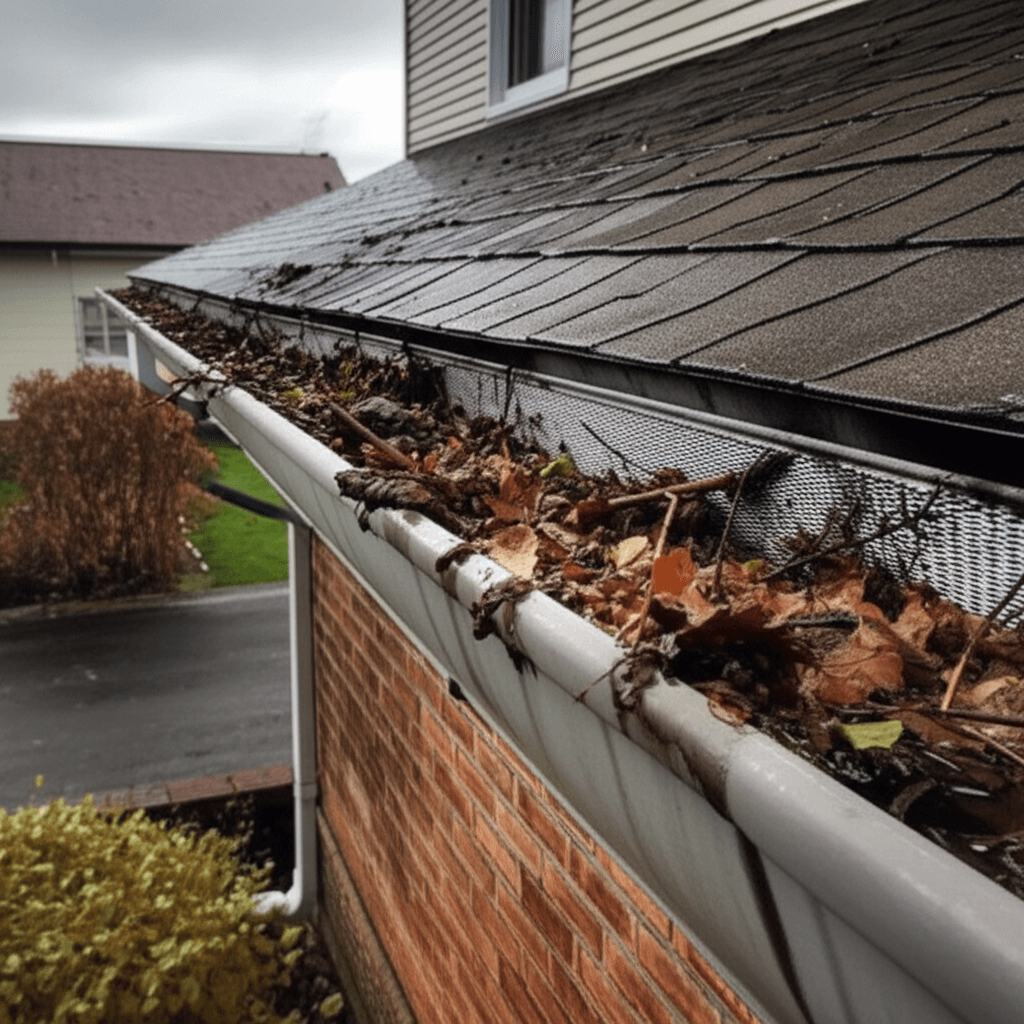
Woodstock's spring melt combines snowmelt with heavy April and May rainfall. Clogged gutters from autumn leaf debris overflow fast — our micro-mesh keeps flow clear through the wettest stretch of the year.
Inland Winter Cold
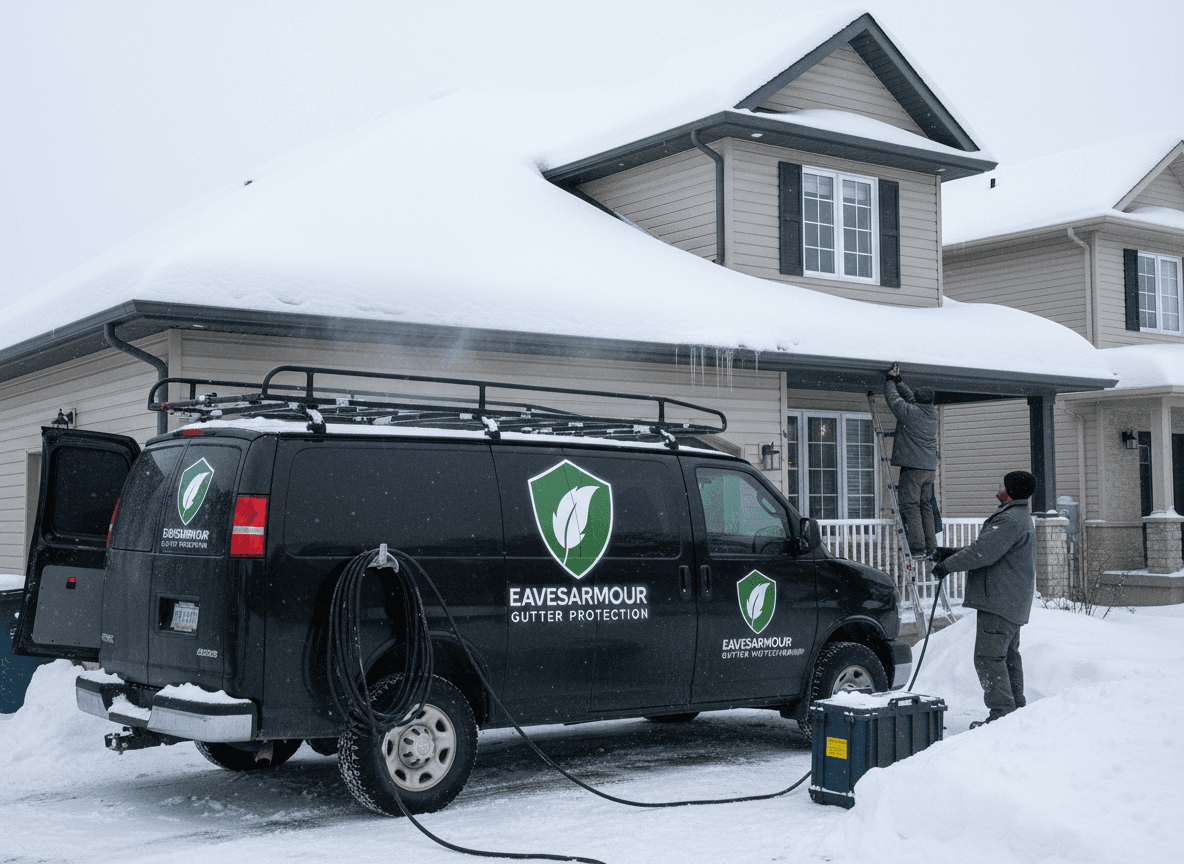
Without the Great Lakes buffering temperatures, Woodstock sees sustained hard freezes that drive ice well up behind fascia boards. Eavesarmour ICE self-regulating heat cables stop ice dams at the source.
Heavy Leaf Fall
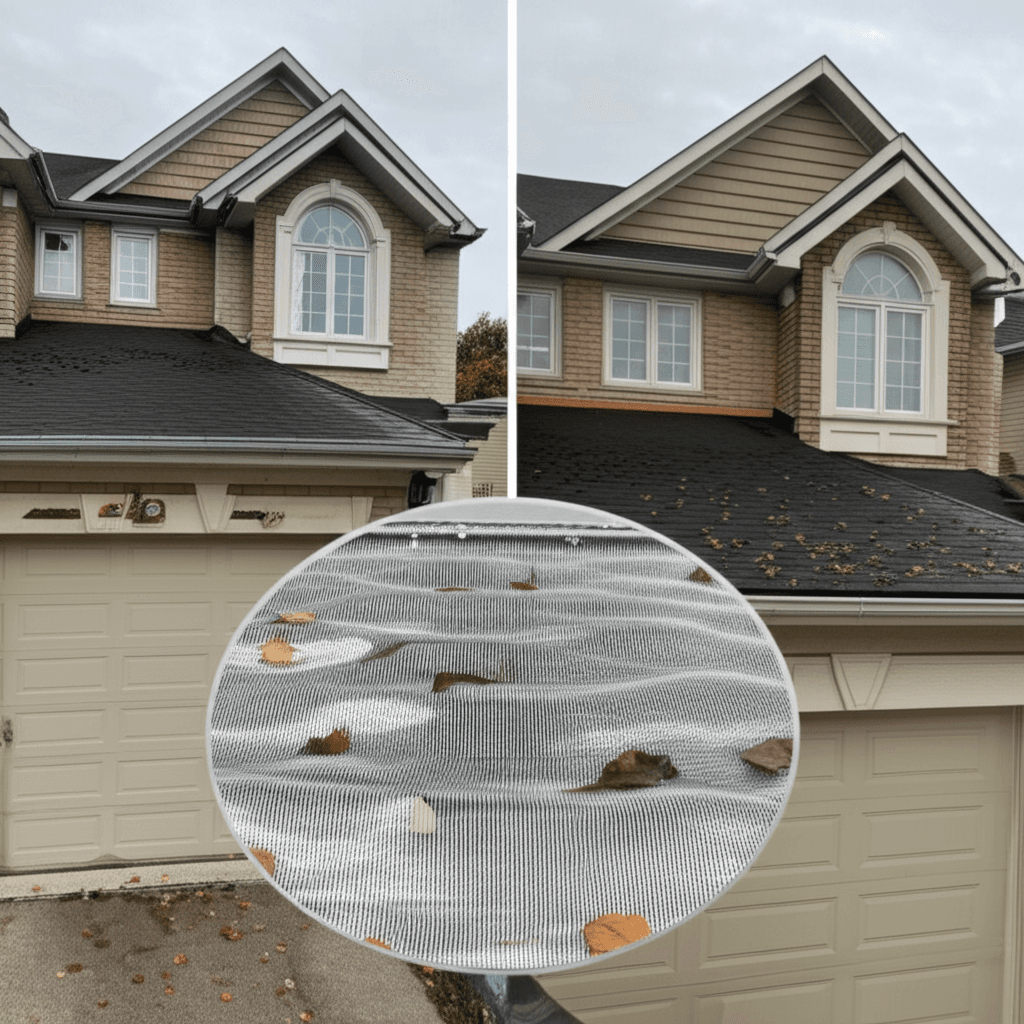
Downtown Woodstock's mature elms, maples, and lindens drop a dense canopy of leaves and seeds each autumn. Our 50-micron micro-mesh blocks all of it while maintaining full water flow.
Agricultural Wind Exposure
Woodstock's position on the edge of Oxford County's open farmland means wind-driven debris — including crop residue from surrounding fields — can reach gutters in exposed properties. Our mechanically fastened guards stay locked in place.
Freeze-Thaw Cycles
March and early April bring repeated freeze-thaw cycles that expand and crack unprotected gutter joints. Our seamless aluminum systems and proper slope prevent standing water that worsens with each freeze.
Long-Term Durability
Woodstock summers bring real heat. Our UV-stabilised finishes resist fading and brittleness, maintaining performance through decades of Oxford County seasons.