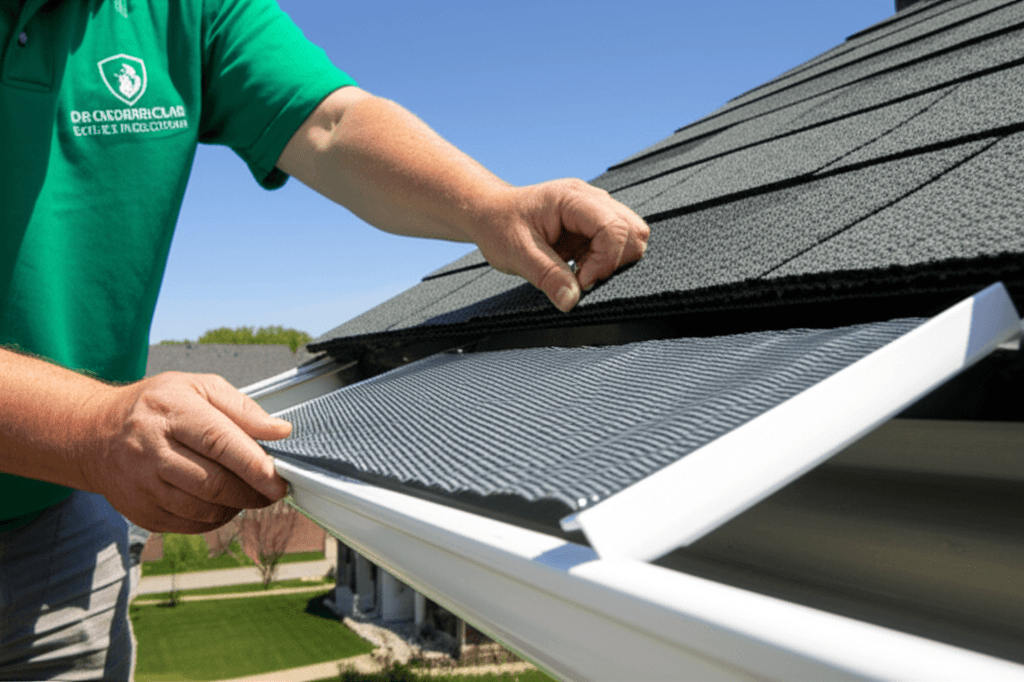

Diamond Installer
EavesArmour
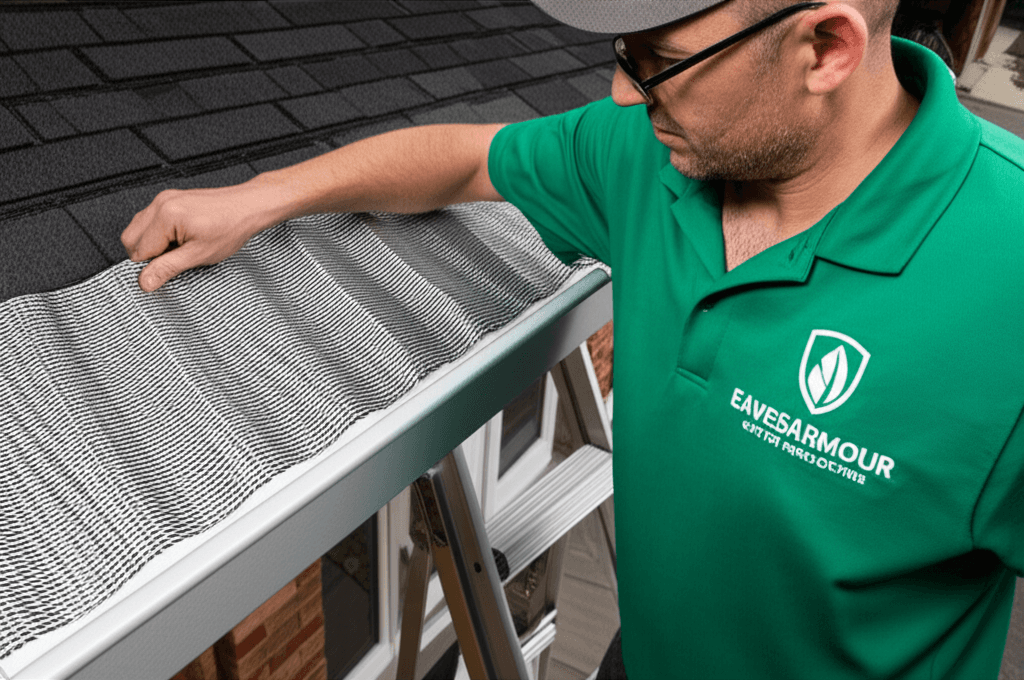
Niagara Falls sits where the Niagara River meets Ontario's fruit-belt microclimate — year-round mist, hard freeze-thaw cycles, and lake-driven precipitation demand gutter protection built for this specific environment. lifetime warranty, lifetime protection.
Quick form • 24-hour response
Expert installation with EavesArmour protection system
Our certifications and partnerships ensure you receive the highest quality installation and service standards




Premium products, expert installation, and unmatched customer service
Our industry-leading warranty transfers with the home on sale — a genuine selling point for Niagara Falls properties in a competitive real-estate market.
Our Niagara Region team is fully licensed, insured, and familiar with the housing stock and roof profiles common throughout Niagara Falls — from Chippawa riverside cottages to Stamford postwar bungalows.
Quick turnaround for Niagara Falls homeowners, with same-day quotes and scheduling that works around your calendar.
Thousands of satisfied customers across Ontario with a 4.9/5 average rating — built on honest assessments and installations that hold up through Niagara's demanding seasonal cycle.
We understand the fruit-belt debris calendar, the gorge-driven humidity environment, and the freeze-thaw patterns that make gutter maintenance in Niagara Falls more demanding than in other Ontario cities.
Over 10,000 successful installations across Ontario and Canada, with a zero-clog performance guarantee and reference projects throughout the Niagara Region.
Premium solutions for every Niagara Falls home
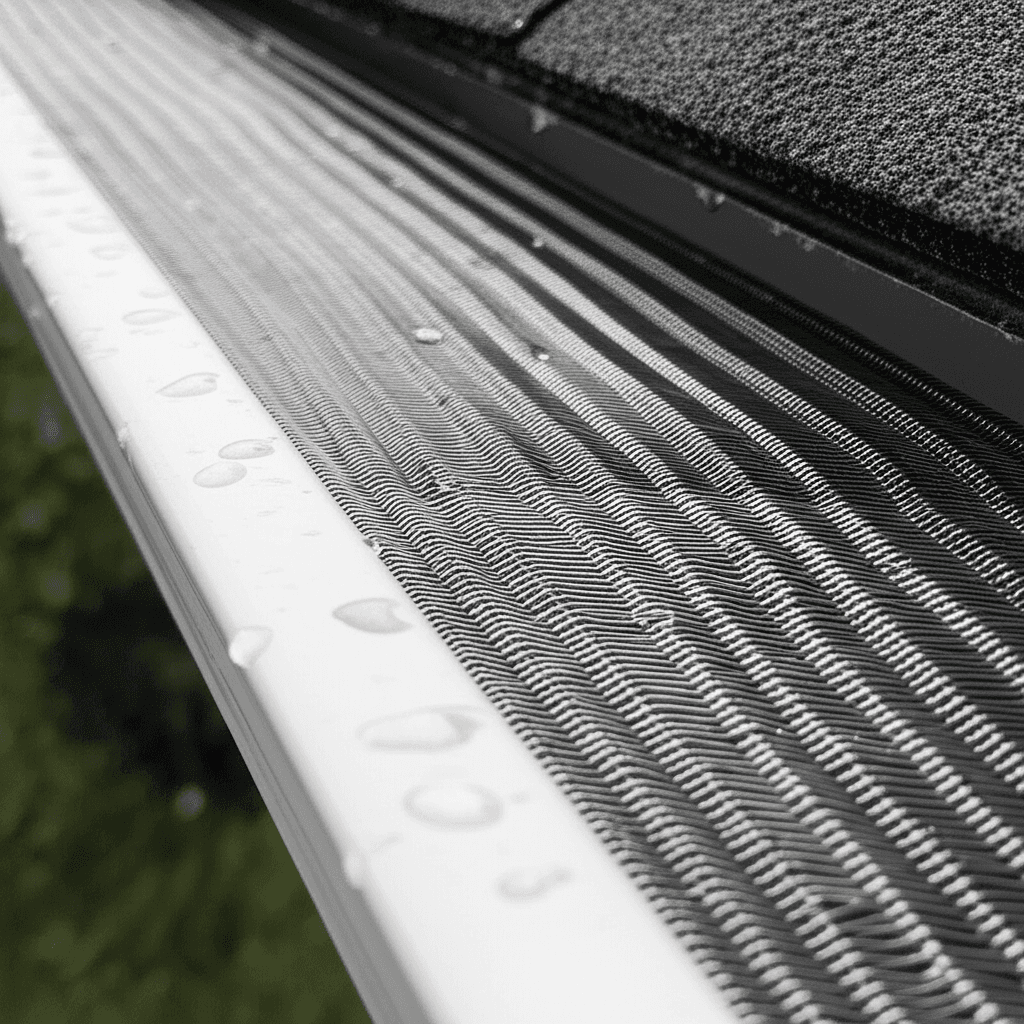
Advanced 50-micron mesh technology built for Niagara Falls' fruit-belt debris load — maple keys, apple blossoms, oak catkins — while maintaining full water flow during the Peninsula's intense lake-driven rain events.
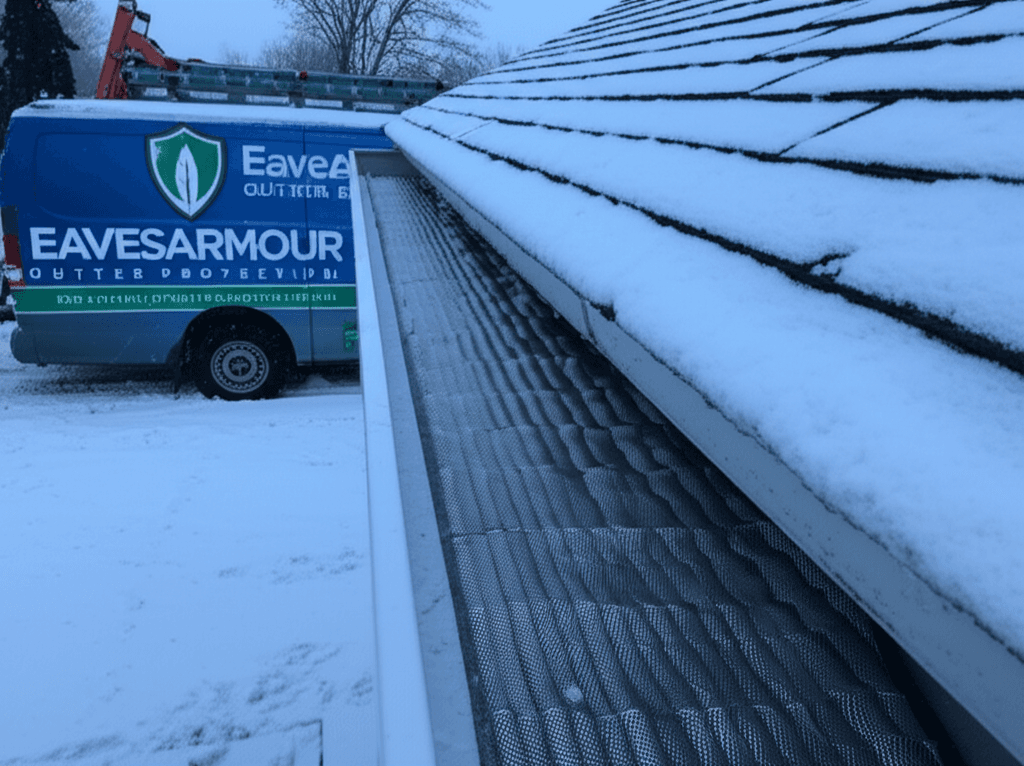
Niagara Falls' freeze-thaw cycling — temperatures crossing 0°C repeatedly through late autumn and early spring — is the primary driver of ice dam damage here. The Eavesarmour ICE self-regulating system activates at the precise threshold where dams form, protecting your eave without wasting energy during the Region's mild shoulder seasons.
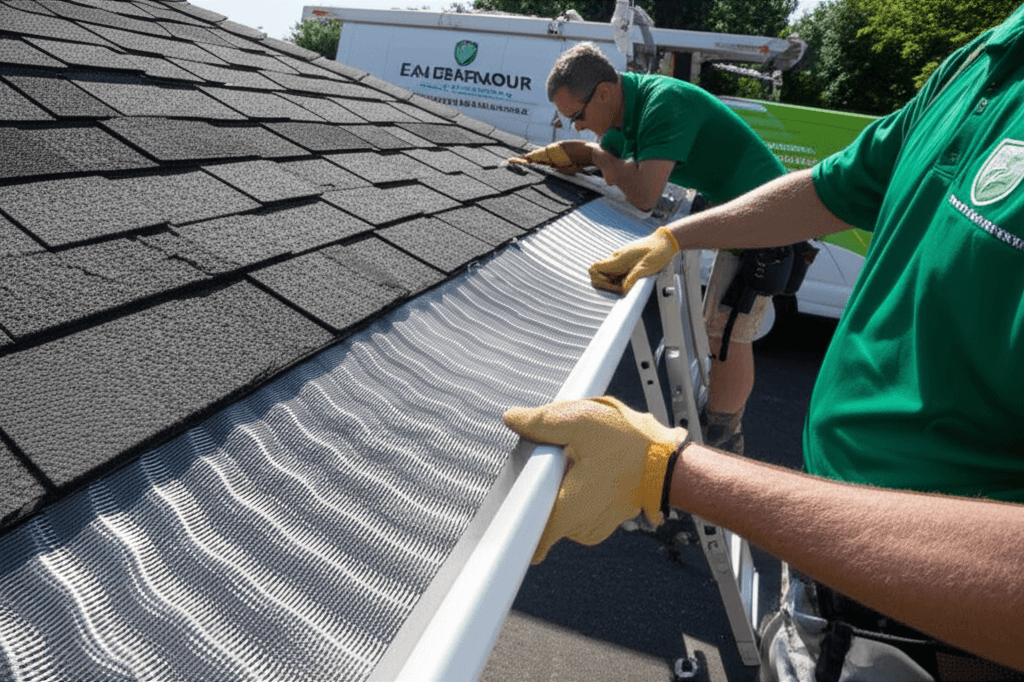
Professional seamless aluminium eavestrough custom-fitted to your Niagara Falls home — sized to handle the high-volume rainfall events common in the Niagara Peninsula, with marine-grade material suited to the gorge humidity environment.
Thorough cleaning to clear the matted debris layers that Niagara Falls' humid conditions produce — including decomposed organic material that binds inside gutters and resists normal flushing.
Expert repairs for gutters damaged by freeze-thaw joint expansion — the most common failure mode in Niagara Falls — including re-sealing, re-pitching sagging sections, and replacing corroded hangers.
Tailored gutter protection plans for Niagara Falls homes with complex rooflines — Victorian-era tourist-district houses, riverfront bungalows with low eave pitches, and modern infill builds all require different profiles and fastening approaches.
Not sure which service is right for you?
Schedule Free ConsultationNiagara Falls, located in Niagara Region, experiences unique weather patterns that require specialized gutter protection
The Niagara Peninsula receives above-average precipitation from both Lake Erie and Lake Ontario. Spring and summer convective storms can deliver intense, short-burst rainfall that overwhelms unprotected gutters on seconds' notice.
The fruit-belt microclimate produces frequent crossings of the 0°C mark through late autumn and early spring — often multiple times in a single week. This repeated thaw-refreeze is the primary driver of ice dam formation and gutter joint failure in Niagara Falls.
Homes within a few kilometres of the Niagara Gorge experience persistent ambient moisture from the falls and rapids. That chronic humidity accelerates organic growth inside unprotected gutters and speeds corrosion on standard-grade aluminium.
Niagara's agricultural and residential tree canopy — maples, oaks, willows, and fruit trees — generates one of the heaviest mixed debris loads in Ontario. Maple keys, apple blossoms, and autumn leaf volumes routinely overwhelm open-profile gutters.
The Niagara Escarpment and the open river valley channel gusts that accelerate debris scatter and can unseat improperly fastened gutter covers. Our installation method accounts for the higher wind-uplift loads specific to gorge-adjacent properties.
Lake moderation keeps Niagara Falls warmer than inland Ontario in autumn and cooler in spring, stretching the shoulder seasons when temperature swings are most extreme. Our systems are rated for the full -40°C to +40°C Ontario range without deformation or seal failure.
From consultation to completion in 6 simple steps
Get Expert Assessment
Book your completely free consultation! Our certified specialist visits your Niagara Falls home, measures your roof, evaluates your gutters, and provides personalized recommendations based on your property's unique needs.
Know Exactly What You Pay
Within 24 hours, receive your detailed quote tailored to Niagara Falls with transparent pricing. No hidden fees, no surprises—just honest pricing with flexible financing options to fit your budget.
Your Time, Your Convenience
We work around YOUR schedule. Choose a date that works for you in Niagara Falls, and we'll handle everything else—ordering custom materials, preparing our team, and confirming 24-48 hours before installation.
Professional & Efficient
Our certified team arrives on time at your Niagara Falls home, cleans your gutters completely, and installs your premium micro-mesh system with precision. We work efficiently, minimize disruption, and clean up thoroughly when done.
Guaranteed Excellence
We test everything—water flow, secure attachment, proper alignment. Then we walk you through your new system, explain how it works, and provide complete warranty documentation.
Lifetime Warranty
Your journey doesn't end at installation. Enjoy industry-leading lifetime warranty, ongoing support, optional inspections, and prompt service whenever you need us.
Join hundreds of satisfied homeowners who chose EavesArmour. Book your free consultation now!
Niagara Falls, located in Niagara Region, experiences distinct seasonal patterns that impact gutter performance
Niagara Falls is unique among Ontario cities in that it generates its own persistent micro-humidity. Homes within a few kilometres of the Niagara Gorge are bathed in fine mist year-round, keeping gutters damp between rain events and creating ideal conditions for organic matter to decompose and bind into blockages.
Layered on top of the mist, the Niagara Peninsula receives precipitation from both Lake Erie to the south and Lake Ontario to the north. Spring convective storms and late-season lake-effect rain events can deliver concentrated bursts that standard open gutters cannot pass quickly enough. Our 50-micron micro-mesh maintains full flow capacity even when the gutter is running at capacity, eliminating the overflow that damages soffits and foundation walls.
Niagara Falls sits in the heart of Ontario's fruit and wine belt, where residential lots are often shaded by mature maples, oaks, willows, and fruit trees. The debris calendar here runs earlier and longer than in inland cities: apple blossoms and maple keys begin dropping in May, oak catkins follow in June, and heavy leaf fall continues through November. In years with late-season warm spells, a second wave of maple seed release can surprise homeowners who thought the season was over.
Our 50-micron micro-mesh blocks the full spectrum of this debris — from broad maple leaves down to tiny fruit-tree petals and shingle granules — while maintaining unrestricted water flow throughout the extended Niagara growing season.
The fruit-belt microclimate that keeps Niagara Falls warmer than the rest of Southern Ontario in autumn becomes a double-edged sword in late winter and early spring. Temperatures hover around the freezing mark for weeks at a time, cycling above and below 0°C repeatedly. Each thaw allows meltwater to penetrate gutter joints; each re-freeze expands that water and widens gaps. Over several winters, this cycle degrades standard gutters far faster than in colder, drier climates where temperatures stay consistently below zero.
Our Eavesarmour ICE system uses self-regulating heat cables calibrated specifically for this freeze-thaw pattern — activating at the temperature threshold where ice formation begins, not at an arbitrary set-point. This prevents dam formation at the eave edge while avoiding the energy waste of systems that run unnecessarily in Niagara's mild-but-volatile winter conditions.
Niagara Falls summers are warmer and more humid than the provincial average — a consequence of the same lake influence that moderates its winters. The combination of UV exposure, elevated humidity, and condensation cycling is particularly hard on plastic and vinyl gutter products, which can warp, fade, or become brittle within a few seasons in this environment.
Our aircraft-grade aluminium construction and stainless-steel mesh are selected specifically for long-term performance in high-humidity, high-UV coastal and river environments. They will not rust, warp, or lose structural integrity through the full temperature range Niagara Falls experiences — from January freeze events to July humidity peaks — and are backed by a lifetime warranty that reflects that confidence.
Niagara Falls homeowners searching for an eavestrough company face a specific challenge: the Niagara Region's fruit-belt microclimate, persistent river mist, and freeze-thaw cycling create conditions that generic installers from outside the region are not always prepared for. A company familiar with Niagara Falls will account for the elevated humidity near the gorge when selecting fasteners and materials, and will know to size eavestrough for the Peninsula's high-intensity rainfall events rather than using a standard Ontario residential profile.
EavesArmour's Niagara Falls eavestrough installation team has completed projects across the city's full range of housing stock — from early-20th-century Chippawa cottages and Stamford postwar bungalows to newer Lundy's Lane infill builds and riverfront properties near the gorge. Our 50-micron micro-mesh guards are installed with fastening patterns that account for the higher wind-uplift loads near the escarpment, and our marine-grade aluminium is chosen to resist the chronic humidity that accelerates corrosion on standard materials. We also offer the EavesArmour ICE heated eavestrough system — the only self-regulating option available in the Niagara Region — for homes at elevated risk from the area's frequent freeze-thaw cycling.
When comparing eavestrough companies in Niagara Falls, look for: a lifetime transferable warranty (not just a 5- or 10-year product guarantee), certified installers with local Niagara Region references, and a company that provides an itemised written quote before any work begins. Our free Niagara Falls consultation includes an honest on-site assessment of your eavestroughs, your debris load, and your ice dam risk — with recommendations matched to your specific property, not a standard package. EavesArmour also serves Niagara-on-the-Lake, St. Catharines, Welland, Fort Erie, and surrounding Ontario communities. Call 647-931-0441 or book online for same-week availability across the Niagara Region.
Last updated: October 13, 2026
Common questions about gutter guard installation in Niagara Falls
Installation in Niagara Falls typically ranges from $15–$25 per linear foot, depending on your home's size, roof pitch, existing gutter condition, and whether you add our ICE heated system for freeze-thaw protection. We provide free, no-obligation on-site quotes with fully itemised pricing so you know exactly what you're paying for before any work begins.
Yes — we cover the full city including Fallsview, Lundy's Lane, Chippawa, Stamford, Drummondville, and Mount Carmel, as well as nearby Niagara-on-the-Lake, Welland, Fort Erie, and St. Catharines. Our installers know the Niagara Region's road network and can schedule efficiently anywhere in the city.
Niagara Falls sits in Ontario's fruit belt, meaning residential lots carry a mix of maple, oak, willow, and fruit-tree canopy that generates a longer and more varied debris season than inland cities. Add the persistent ambient moisture from the Niagara Gorge and Falls, which keeps debris damp and causes it to mat down rather than blow clear, and gutters here block faster and more completely than in drier climates. Micro-mesh guards with a 50-micron mesh rating are the most effective solution for this specific combination.
It can. Homes within a few kilometres of the gorge experience elevated chronic humidity from mist and spray, which accelerates organic growth inside open gutters and can corrode standard-grade aluminium over time. Our stainless-steel micro-mesh and marine-grade aluminium frame are selected for exactly this kind of high-humidity river and coastal environment, and our lifetime warranty reflects that durability.
Most Niagara Falls homes are completed in a single day. A typical installation of around 200 linear feet takes 6–8 hours including gutter cleaning, fitting, and final flow testing. Homes with steep roof pitches or complex rooflines may require additional time, which we'll flag clearly in your quote.
Niagara Falls's lake-moderated winters are milder than central Ontario on average, but that moderation is what makes ice dams here particularly damaging. The frequent crossing of the 0°C threshold — sometimes multiple times in a single week — creates repeated freeze-thaw cycles that generate ice dam conditions more often than a consistently cold climate would. Homes on shaded lots or with low-slope roof sections near the eave are especially vulnerable, and those are the properties where our Eavesarmour ICE system pays for itself quickly.
Beyond the lifetime transferable warranty and 50-micron micro-mesh technology, EavesArmour's installers are specifically trained on the conditions common to the Niagara Region — the fruit-belt debris calendar, the humidity environment near the gorge, and the freeze-thaw cycling that wears out poorly fastened covers. We don't apply a generic Ontario installation approach to Niagara Falls homes.
Yes. Niagara Falls's housing stock ranges from early-20th-century Chippawa cottages to mid-century Stamford bungalows to newer Lundy's Lane infill builds, and our system can be custom-fitted to all of them — asphalt shingles, metal roofs, cedar shakes, and tile included. Our consultants will assess your specific roofline and recommend the right profile during your free quote.
If you're cleaning gutters more than once a year, finding overflow marks on your fascia or foundation, or dealing with ice dams at the eave edge in late winter, gutter guards will make a measurable difference. Niagara Falls properties surrounded by mature trees or close to the river corridor typically show these symptoms within two to three seasons of purchase. Our free consultation includes an honest assessment — if guards aren't the right solution for your specific situation, we'll tell you.
EavesArmour serves the full Niagara Region including Niagara-on-the-Lake, St. Catharines, Welland, Fort Erie, Thorold, and Grimsby. If you're unsure whether we cover your address, call us at 647-931-0441 and we'll confirm immediately.
We also serve the Niagara Region communities of St. Catharines, Welland, and Grimsby.
Learn more about the EavesArmour micro-mesh gutter guard system used across all Niagara Region installations.
Understanding the true cost and long-term value of gutter guard installation in Niagara Falls
Gutter guard installation in Niagara Falls typically costs $15-$25 per linear foot, depending on several factors:
Average Investment
$3,000 - $5,000
For typical Niagara Falls home (200 linear feet)
Professional gutter guards provide significant savings over time for Niagara Falls homeowners:
Potential Savings Over 10 Years
$5,000 - $20,000+
Depending on damage prevention
Most Niagara Falls homeowners see a return on investment within 3-5 years through eliminated cleaning costs and prevented damage. With our lifetime warranty, the system continues providing value and protection for decades, making it one of the most cost-effective home improvement investments available.
See why Niagara Falls homeowners choose EavesArmour over competitors
| Feature | EavesArmour | Other Companies |
|---|---|---|
| Lifetime Transferable Warranty | 5-10 years | |
| 50-Micron Micro-Mesh Technology | ||
| Certified Local Installers | Varies | |
| Free Consultation & Quote | ||
| Same-Day Installation Available | Limited | |
| ICE System for Winter Protection | ||
| Maintenance-Free Operation | Requires cleaning | |
| Energy-Efficient Design | Varies | |
| Custom-Fit Installation | Standard sizes | |
| 4.9/5 Customer Rating | 3.5-4.5/5 |
See the transformation our gutter guard systems provide for Niagara Falls homeowners
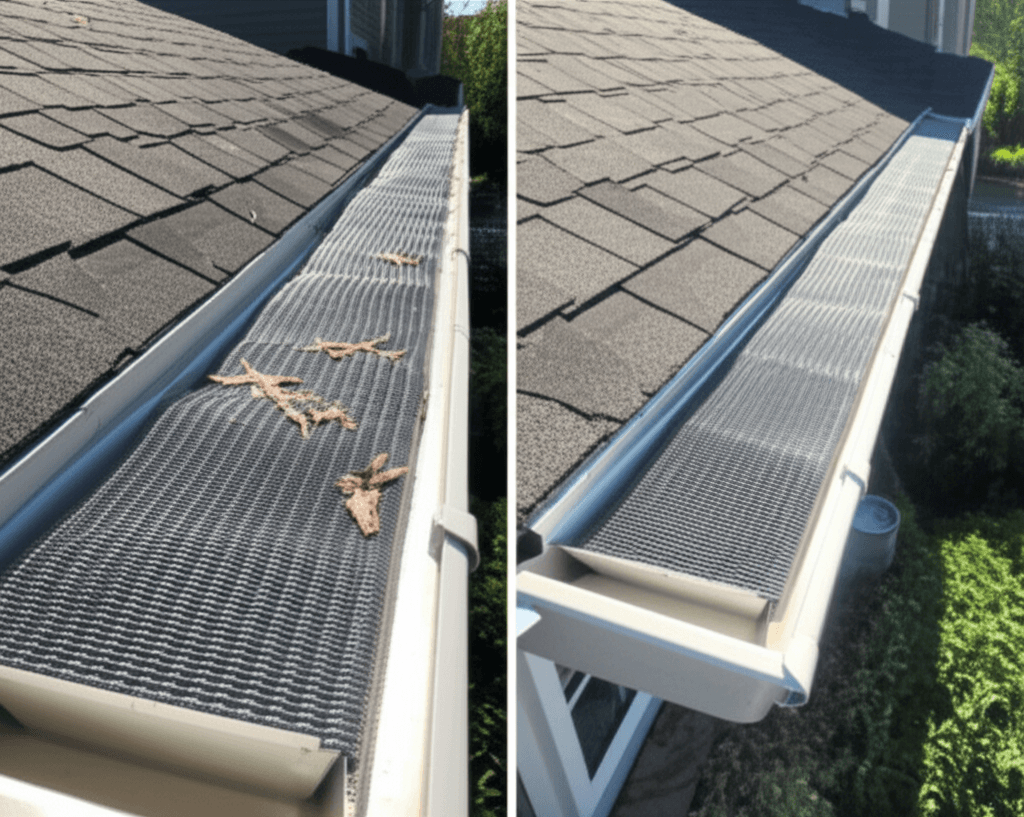
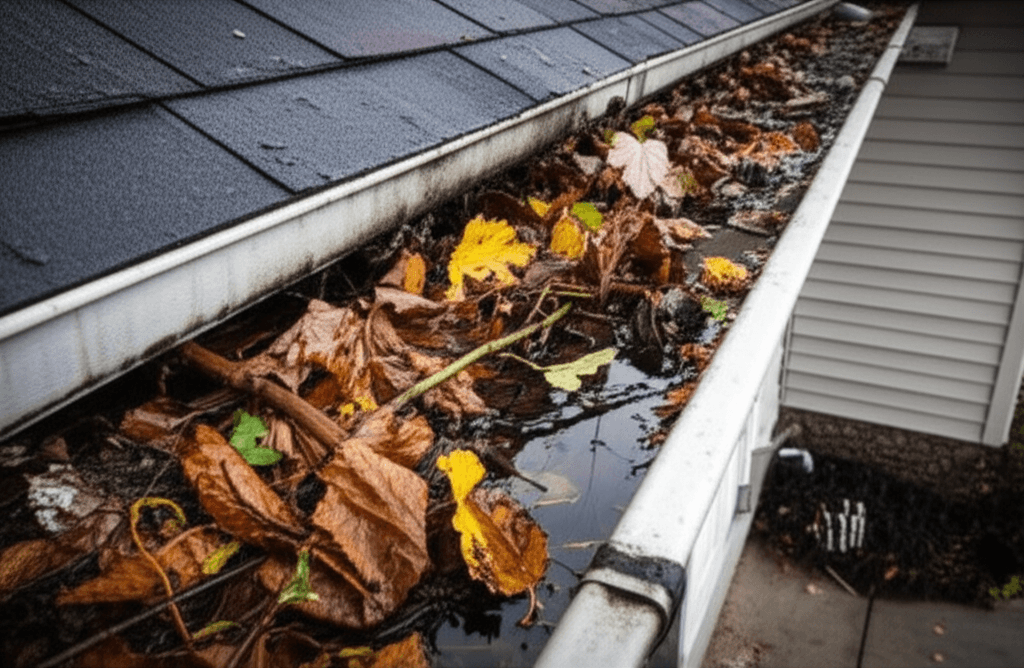
Niagara Falls, Ontario
Professional micro-mesh installation eliminates all debris while maintaining perfect water flow
Ready to protect your Niagara Falls home? Schedule your free consultation and get a detailed quote. Our expert team will assess your home and provide personalized recommendations.
We'll assess your Niagara Falls home and discuss your needs
Receive a detailed, no-obligation estimate
Our certified team installs your system
Enjoy maintenance-free gutter protection
Join hundreds of Niagara Falls homeowners who never worry about clogged gutters again
Get your free consultation and detailed quote today. No obligation, no pressure - just expert advice and premium protection for your Niagara Falls home.
EavesArmour provides full eavestrough guard installation coverage across Niagara Falls — Fallsview, Lundy's Lane, Chippawa, Stamford, Drummondville, and Mount Carmel — as well as Niagara-on-the-Lake, St. Catharines, Welland, Fort Erie, Grimsby, and Thorold. Call 647-931-0441 for same-week booking across the Niagara Region.
Book a free, no-obligation on-site consultation at eavesarmour.ca or by calling 647-931-0441. One of our certified Niagara Region installers will visit your property, measure your eavestroughs, assess your debris load and ice dam risk, and provide a written itemised quote — typically on the same day or within 24 hours. No ballpark figures over the phone.
Yes. Our 50-micron stainless-steel micro-mesh is sized to block the full Niagara fruit-belt debris spectrum — apple blossoms and maple keys in spring, oak catkins in early summer, heavy mixed leaf fall from October through November — while maintaining full water flow during the Peninsula's high-intensity rainfall events. The mesh does not blind or clog under normal conditions and is backed by a lifetime warranty.
Mid-October is the peak booking window for Niagara Falls eavestroughs. Installing before the main leaf drop means guards are fully operational before the heaviest debris season begins. Homes adding the EavesArmour ICE heated eavestrough system should book by mid-October to guarantee installation before the first hard freeze in late October or early November.