
Diamond Installer
EavesArmour
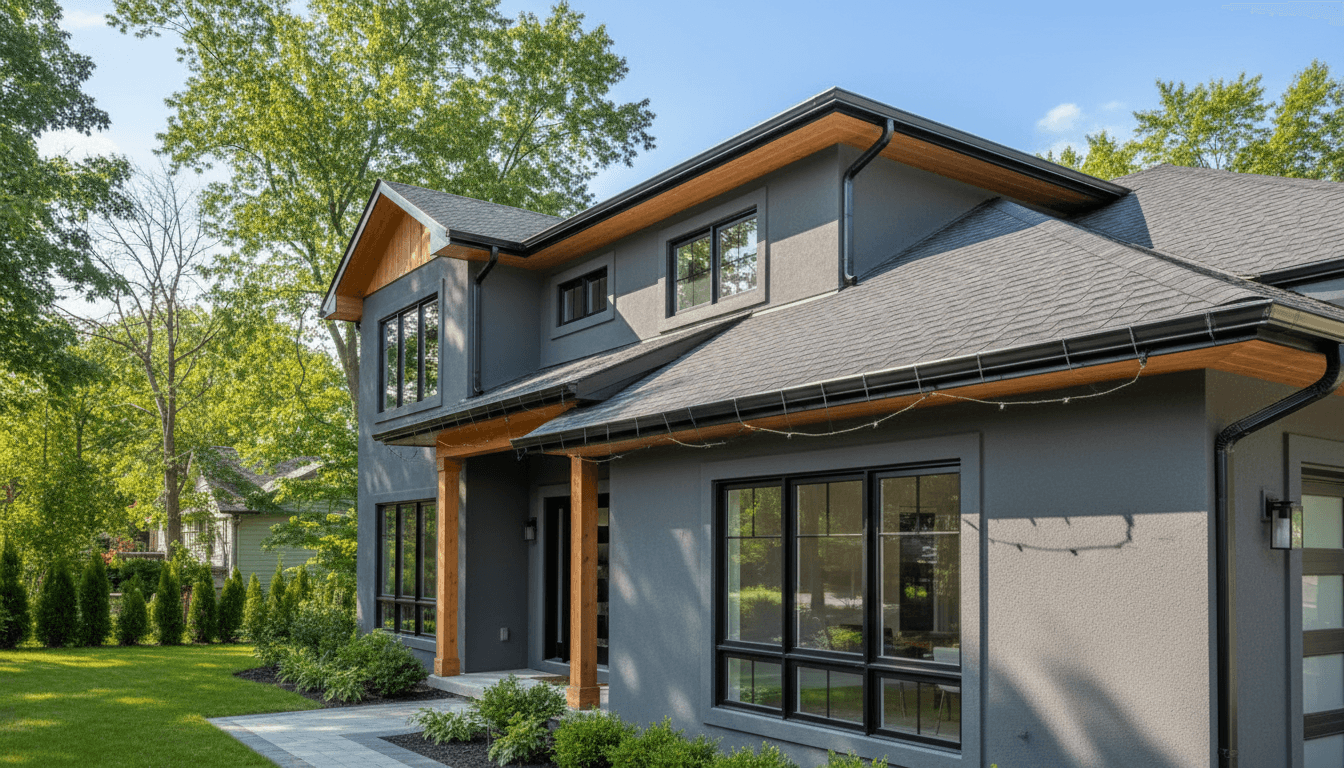
Barrie sits on the western shore of Kempenfelt Bay, Ontario's fastest-growing city and the gateway to Georgian Bay cottage country. Georgian Bay lake-effect snow, heavy autumn debris, and hard freeze-thaw cycles make eavestrough protection more important here than in most Southern Ontario cities. lifetime warranty, lifetime protection.
Quick form • 24-hour response
Expert installation with EavesArmour protection system
Our certifications and partnerships ensure you receive the highest quality installation and service standards




Premium products, expert installation, and unmatched customer service
Industry-leading warranty that protects your investment for decades and adds value to your home.
Our Barrie team is fully licensed, insured, and trained in the latest installation techniques.
Quick service for Barrie homeowners with same-day quotes and flexible scheduling.
Thousands of satisfied customers across Ontario with 4.9/5 average rating.
Deep understanding of Barrie's climate, housing styles, and specific gutter protection needs.
Over 10,000 successful installations across Canada with zero-clog guarantee.
Premium solutions for every Barrie home
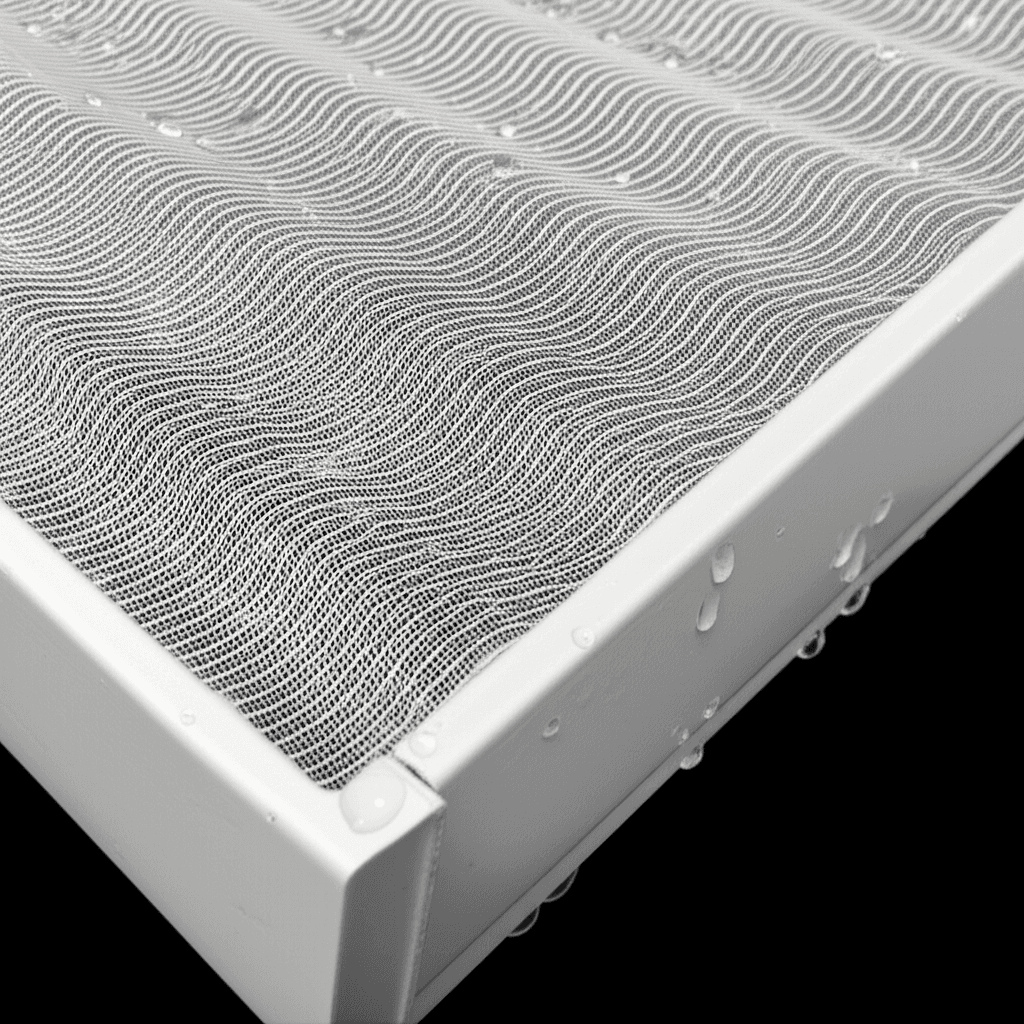
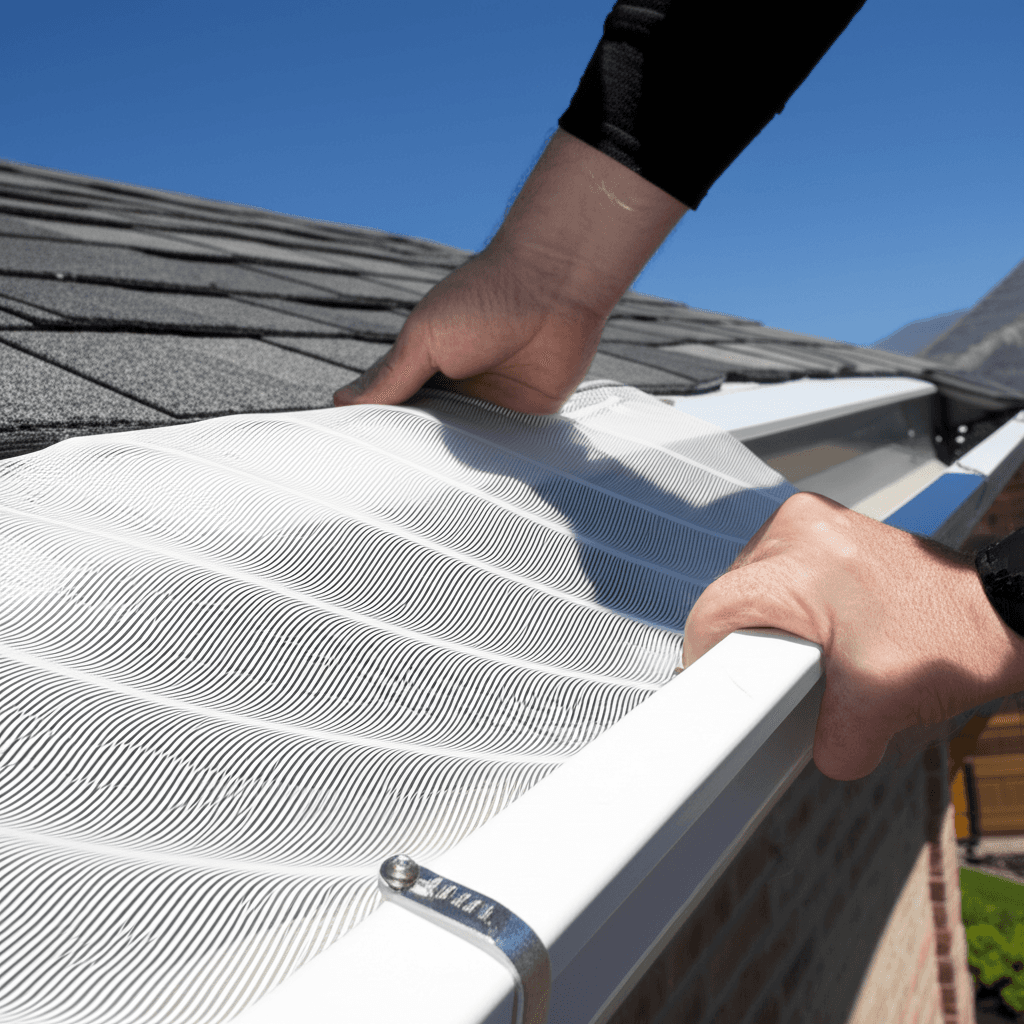
Advanced 50-micron mesh technology that blocks even the smallest debris while maintaining optimal water flow. Perfect for Barrie's tree-lined neighborhoods.
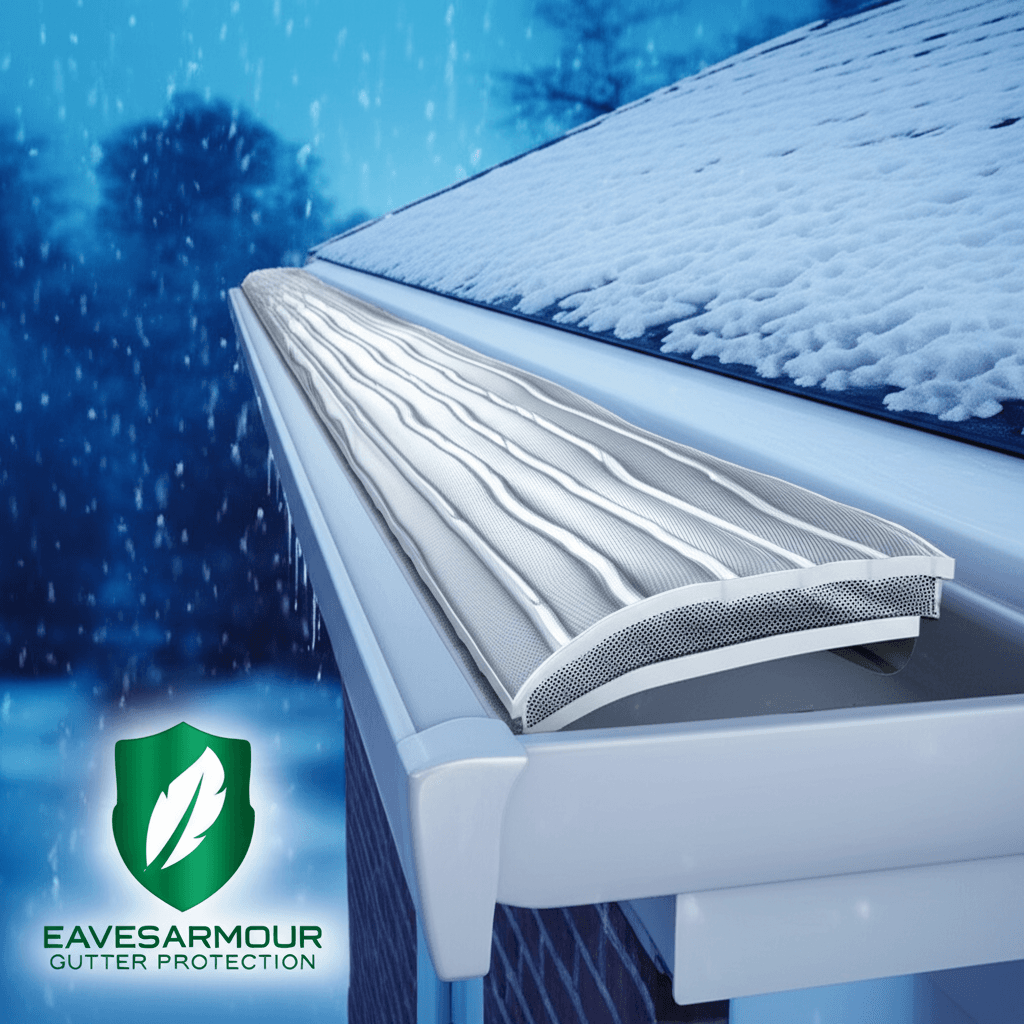
Eavesarmour ICE heated gutter systems prevent dangerous ice buildup during Barrie's heavy Georgian Bay winters, protecting your roof and foundation.
Professional seamless eavestrough installation custom-fitted to your Barrie home for optimal water management.
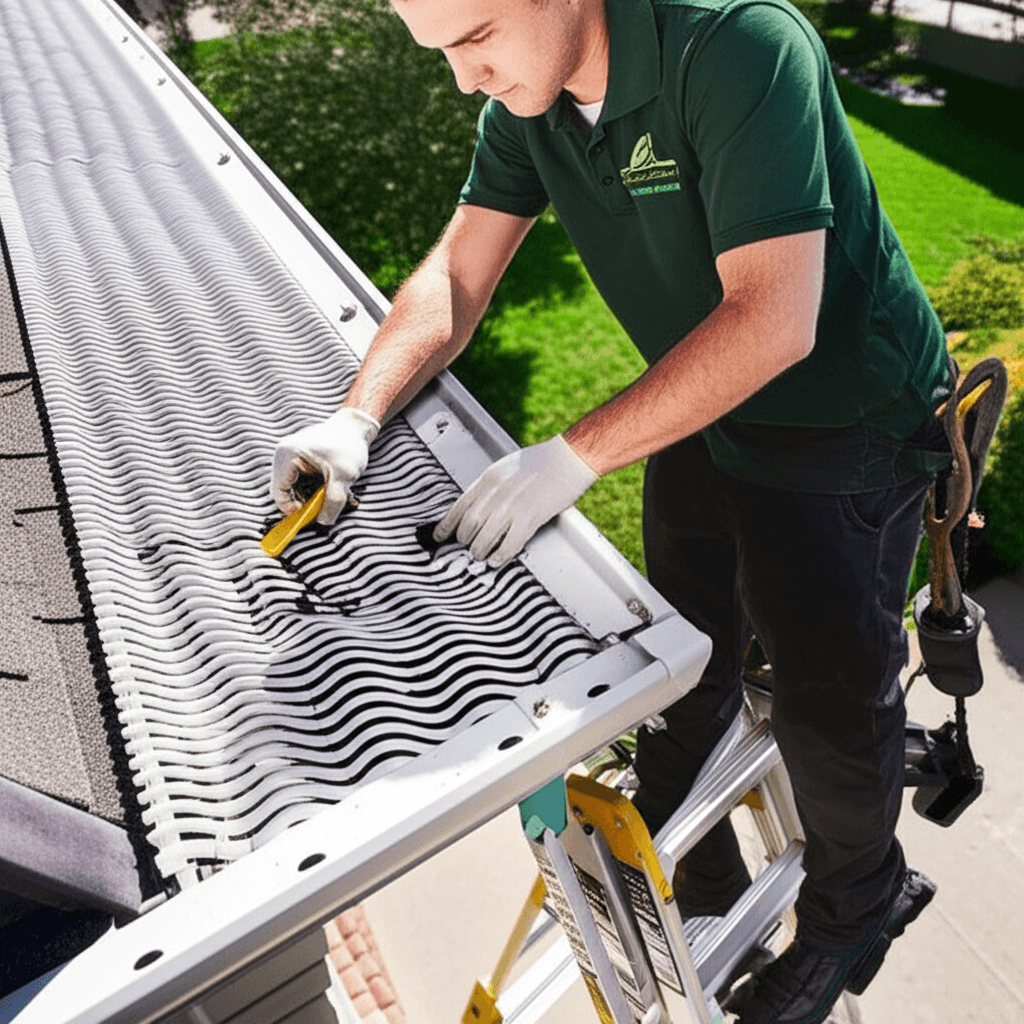
Thorough cleaning services to prepare your gutters for optimal performance throughout the year.
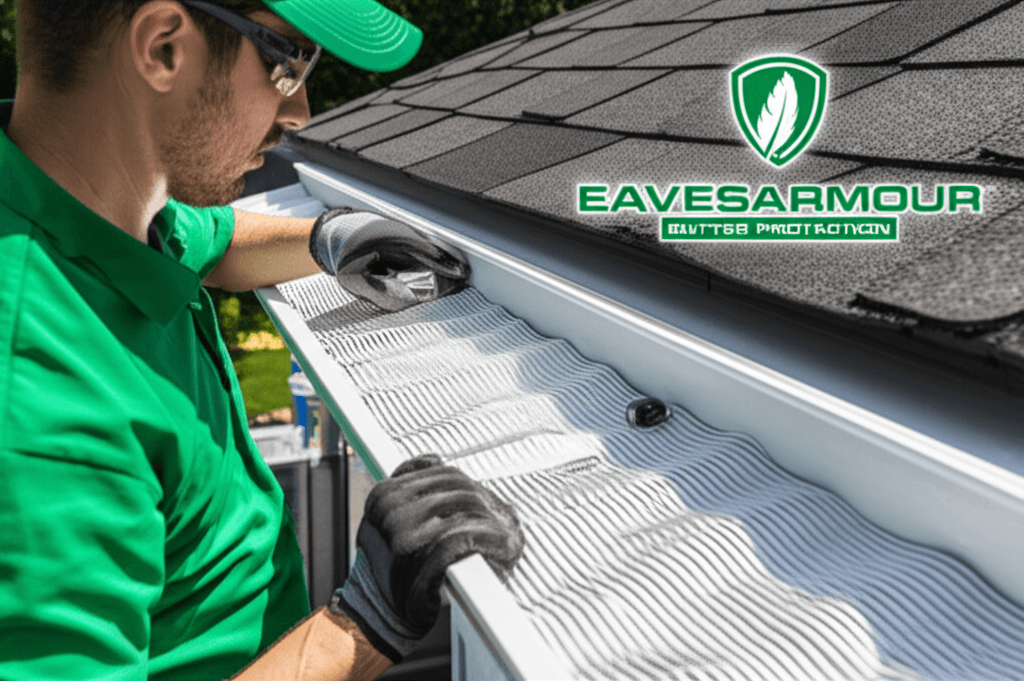
Expert repairs for sagging, leaking, or damaged gutters to restore proper function and prevent water damage.

Tailored gutter protection plans designed specifically for your Barrie home's unique architecture and needs.
Not sure which service is right for you?
Schedule Free ConsultationBarrie, located in South Georgian Bay, experiences unique weather patterns that require specialized gutter protection
Barrie is one of Ontario's snowiest cities, sitting directly in the path of Georgian Bay lake-effect snowbands that drop 150-200cm per winter. The heavy, wet snow typical of lake-effect events is the primary driver of ice dam formation on Barrie's older homes and bungalows with shallow roof pitches.
Homes near the Kempenfelt Bay waterfront experience elevated humidity year-round. Clogged gutters on waterfront and near-waterfront properties accelerate wood rot on fascia boards significantly faster than inland properties — guards prevent the organic debris buildup that traps moisture.
Barrie's established neighborhoods — Allandale, East End, downtown core, Letitia Heights — feature massive maples, oaks, and elms that drop substantial leaf volume each fall. In high-tree areas, gutters fill completely in a single week during peak leaf fall.
Barrie's inland location away from direct lake moderation means colder overnight temperatures and more severe freeze-thaw cycling than coastal Southern Ontario. This creates higher ice dam risk across all neighbourhoods and accelerates hanger failure on older gutters.
Barrie's new subdivisions in Painswick, Ardagh, and the south end were built with standard builder-grade gutters. The large deciduous trees planted along new streets are now mature enough to create serious debris loads, but most homeowners don't realize it until they have a clog-related overflow incident.
Barrie's heavy snow accumulation means significant spring snowmelt runoff. Combined with spring rainfalls, this generates peak gutter loads that clogged systems cannot handle — contributing to the basement flooding events that Barrie homeowners report every April and May.
From consultation to completion in 6 simple steps
Get Expert Assessment
Book your completely free consultation! Our certified specialist visits your Barrie home, measures your roof, evaluates your gutters, and provides personalized recommendations based on your property's unique needs.
Know Exactly What You Pay
Within 24 hours, receive your detailed quote tailored to Barrie with transparent pricing. No hidden fees, no surprises—just honest pricing with flexible financing options to fit your budget.
Your Time, Your Convenience
We work around YOUR schedule. Choose a date that works for you in Barrie, and we'll handle everything else—ordering custom materials, preparing our team, and confirming 24-48 hours before installation.
Professional & Efficient
Our certified team arrives on time at your Barrie home, cleans your gutters completely, and installs your premium micro-mesh system with precision. We work efficiently, minimize disruption, and clean up thoroughly when done.
Guaranteed Excellence
We test everything—water flow, secure attachment, proper alignment. Then we walk you through your new system, explain how it works, and provide complete warranty documentation.
Lifetime Warranty
Your journey doesn't end at installation. Enjoy industry-leading lifetime warranty, ongoing support, optional inspections, and prompt service whenever you need us.
Join hundreds of satisfied homeowners who chose EavesArmour. Book your free consultation now!
Barrie, located in South Georgian Bay, experiences distinct seasonal patterns that impact gutter performance
Barrie's position directly downwind of Georgian Bay makes it one of Ontario's snowiest cities, regularly receiving 150-200cm of lake-effect snow per winter. The heavy, wet snow that characterizes Georgian Bay lake-effect events is the primary driver of ice dam formation — particularly on older Allandale and east-end bungalows where attic insulation is often insufficient to prevent heat loss at the eave line.
Our Eavesarmour ICE self-regulating heat cable system activates automatically when temperatures approach the freezing point, maintaining a clear melt channel through the gutter and downspout. For Barrie homes with north or east-facing eaves — particularly in Allandale and the downtown core — this system pays for itself by preventing a single ice-dam repair event.
Barrie's established neighborhoods — Allandale, the East End, Letitia Heights, and the downtown core — were planted with silver and sugar maples, red oaks, and elms that now form a dense canopy. Each autumn those trees drop a volume of large leaves, winged seeds, and small twigs that can completely fill open gutters within a single week during peak leaf fall.
Our 50-micron micro-mesh membrane blocks the full spectrum of debris — large maple leaves, fine maple keys, acorn caps, and shingle granules — while passing rainfall through at full capacity. Barrie homeowners in these tree-canopy neighborhoods typically cleaned gutters two to three times per season before EavesArmour; after installation, that maintenance stops completely.
Barrie's waterfront and near-waterfront properties along Kempenfelt Bay experience elevated ambient humidity year-round. Clogged gutters on these properties trap standing organic debris that retains moisture against the fascia board — accelerating rot significantly faster than on inland properties across the city.
Our micro-mesh guards prevent the debris accumulation that drives this rot cycle. We also assess fascia condition at the free consultation — waterfront homes in particular often have existing rot that should be addressed before guard installation to ensure the guards attach to sound wood and perform correctly for the full warranty period.
Barrie's heavy lake-effect snowpack creates significant spring snowmelt runoff. When combined with April and May rainfall events, the simultaneous load on gutters exceeds what clogged systems can handle. The result — gutter overflow against the foundation — is a primary contributor to the basement flooding events that Barrie homeowners report every spring.
Our guards keep gutter channels clear through the entire winter debris accumulation period, so full flow capacity is available the moment snowmelt begins in March. Homes in Painswick, Ardagh, and the newer south-end subdivisions — where grading is flatter and drainage slower — see the greatest spring flooding risk reduction after installation.
Common questions about gutter guard installation in Barrie
$15-$24/ft. Barrie pricing reflects the city's mix of older homes (higher labour), newer subdivisions (efficient installs), and the significant snowfall that makes ICE system upgrades worth considering. Barrie's century homes and Allandale bungalows often have shorter eave runs but more complex roofline details; Painswick and Ardagh subdivisions tend to be more straightforward and cost-effective. Free on-site quotes always — we never ballpark over the phone.
Yes. We cover all of Barrie — downtown core, Allandale, East End, Letitia Heights, Painswick, Ardagh, Holly, South Barrie — as well as Innisfil and Springwater Township. Our installers know Barrie's housing stock well, which matters when you're fitting guards on a heritage home downtown versus a newer subdivision build in the south end.
Barrie's lake-effect snowfall is among the heaviest in Southern Ontario. We strongly recommend our <a href="/eavesarmour-ice/" className="text-primary underline font-semibold">EavesArmour ICE heated cable system</a> on any Barrie home with north or east-facing eaves, especially older bungalows in Allandale and the east end where attic insulation is often insufficient to prevent heat loss at the eave. The ICE system self-regulates based on temperature and pays for itself by preventing a single ice dam repair event. See our detailed <a href="/blog/ice-dam-prevention-heat-cables/" className="text-primary underline font-semibold">ice dam prevention guide for Ontario homes</a> for sizing and cable layout specifics.
Barrie's rapidly growing south end has thousands of newer homes with builder-grade standard gutters. These are actually the simplest and most cost-effective installs — uniform profile, good access, no surprises. The large deciduous trees planted along those new streets are now mature enough to create serious debris loads, so we recommend installing before the next full autumn of debris exposure rather than after a clog-related incident.
Yes. Barrie has significant older housing stock particularly downtown and in Allandale. These homes often have narrower gutters, steeper pitches, and wood fascia that needs assessment. We identify any repair needs and existing wood rot at the free consultation so you have a complete picture before committing. Our system is custom-fitted on-site rather than cut from standard stock, so non-standard fascia profiles are not a problem.
Most Barrie homes complete in 4-6 hours. Larger 2-storey homes or complex rooflines may take a full day. We schedule based on your home's specific measurements, which we take at the free consultation, so you'll have a realistic time estimate before you book installation.
The full lifetime transferable warranty applies to every installation in Barrie. This is the same warranty we offer across all of Ontario — no reduced terms for geography. The warranty covers both materials and performance, and it transfers to new owners if you sell your home, which adds measurable value when you list.
We serve all of Barrie, <a href="/innisfil-gutter-guard-installation/" className="text-primary underline font-semibold">Innisfil</a>, Springwater Township, Oro-Medonte (including Horseshoe Valley area), and connect to our <a href="/bradford-gutter-guard-installation/" className="text-primary underline font-semibold">Bradford</a> and <a href="/alliston-gutter-guard-installation/" className="text-primary underline font-semibold">Alliston</a> coverage areas to the south. If you're unsure whether your address falls within our service area, call us at 647-931-0441 and we'll confirm quickly.
Understanding the true cost and long-term value of gutter guard installation in Barrie
Gutter guard installation in Barrie typically costs $15-$24 per linear foot, depending on several factors:
Average Investment
$3,000 - $5,500
For typical Barrie home (200 linear feet). Georgian Bay lake-effect conditions make the ICE system upgrade particularly cost-effective for north/east exposures.
Professional gutter guards provide significant savings over time for Barrie homeowners:
Potential Savings Over 10 Years
$5,000 - $20,000+
Depending on damage prevention
Most Barrie homeowners see a return on investment within 3-5 years through eliminated cleaning costs and prevented damage. With our lifetime warranty, the system continues providing value and protection for decades, making it one of the most cost-effective home improvement investments available.
Want the line-by-line numbers? See our 2026 Barrie gutter guard cost guide for transparent Barrie pricing, financing options, and a side-by-side EavesArmour vs. LeafFilter comparison. Also see: Barrie 2026 gutter guard cost guide and Alliston gutter guards.
See why Barrie homeowners choose EavesArmour over competitors
| Feature | EavesArmour | Other Companies |
|---|---|---|
| Lifetime Transferable Warranty | 5-10 years | |
| 50-Micron Micro-Mesh Technology | ||
| Certified Local Installers | Varies | |
| Free Consultation & Quote | ||
| Same-Day Installation Available | Limited | |
| ICE System for Winter Protection | ||
| Maintenance-Free Operation | Requires cleaning | |
| Energy-Efficient Design | Varies | |
| Custom-Fit Installation | Standard sizes | |
| 4.9/5 Customer Rating | 3.5-4.5/5 |
Comparing options? Read our deep-dive gutter guard types comparison and explore ice dam prevention for Barrie homes. Nearby: Bradford, Orillia, and Angus.
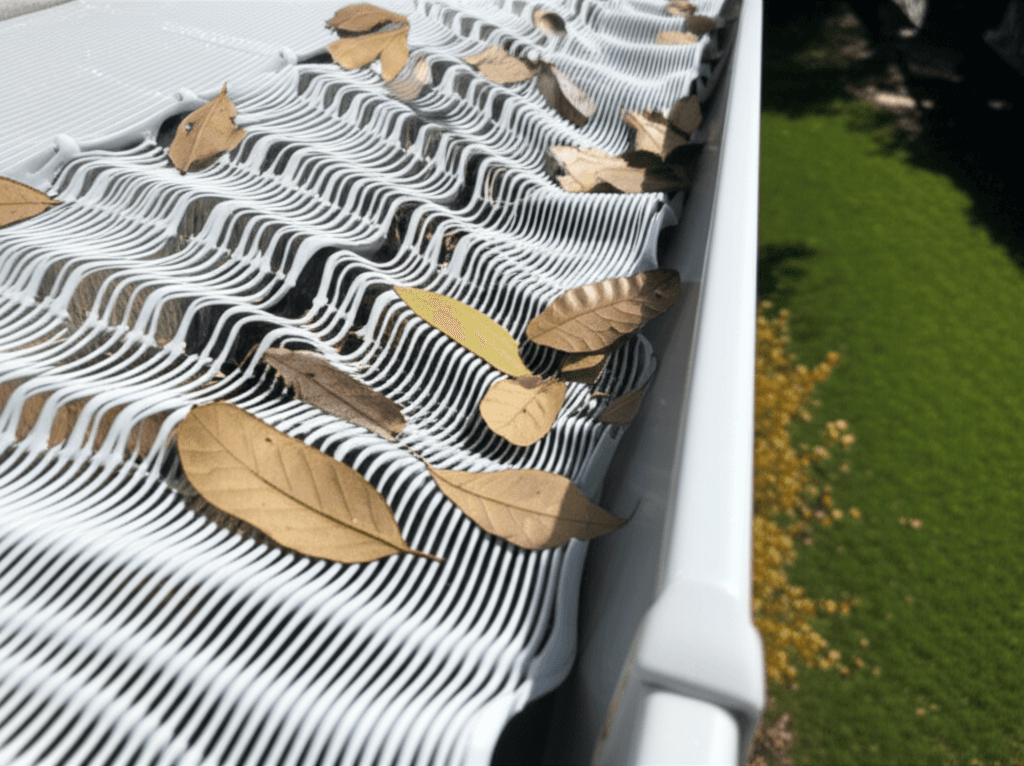
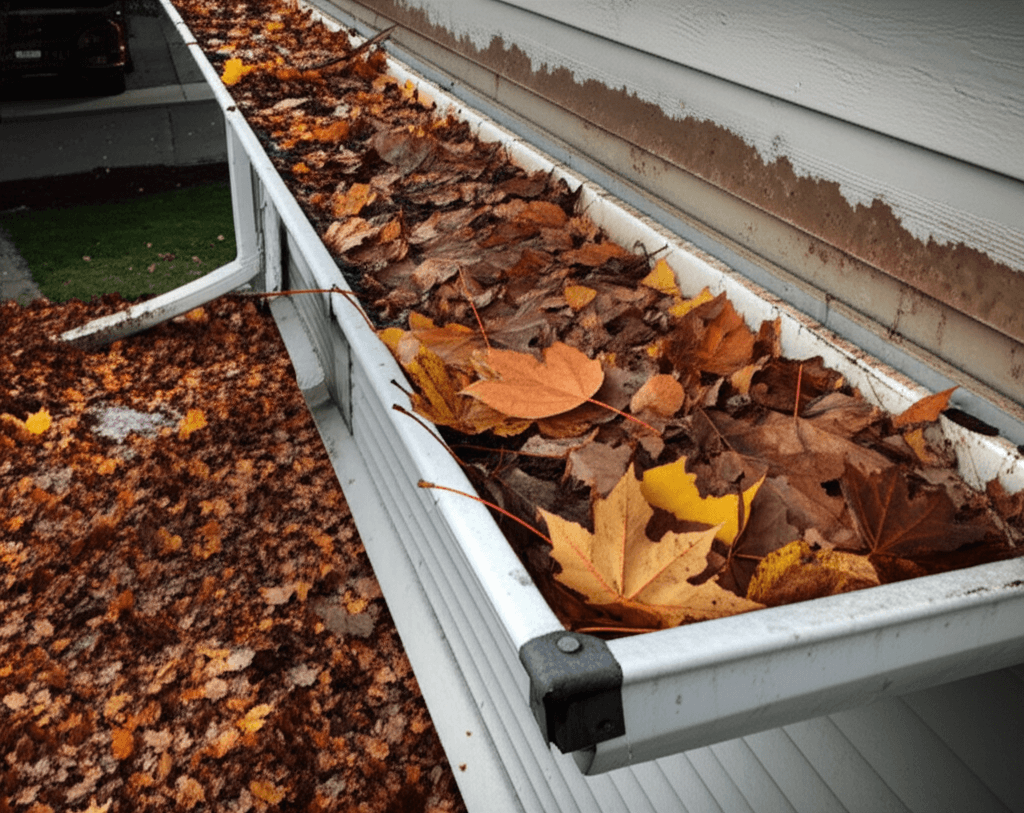
See the transformation our gutter guard systems provide for Barrie homeowners
Barrie, Ontario
Professional micro-mesh installation eliminates all debris while maintaining perfect water flow
Ready to protect your Barrie home? Schedule your free consultation and get a detailed quote. Our expert team will assess your home and provide personalized recommendations.
We'll assess your Barrie home and discuss your needs
Receive a detailed, no-obligation estimate
Our certified team installs your system
Enjoy maintenance-free gutter protection
Join hundreds of Barrie homeowners who never worry about clogged gutters again
Get your free consultation and detailed quote today. No obligation, no pressure - just expert advice and premium protection for your Barrie home.
Updated October 2, 2026 · From our Barrie installation and scheduling team
Barrie sits at the southern shore of Lake Simcoe and experiences some of the earliest and most severe freeze conditions in Southern Ontario. Georgian Bay lake-effect systems push cold, moisture-laden air directly into the Barrie area from October onward, delivering snowfall totals that regularly exceed Hamilton, Toronto, and Kitchener by a significant margin. For homeowners on the north and east sides of the city — Allandale, the east end, and waterfront properties along Kempenfelt Bay — the installation window for gutter guards closes earlier than anywhere else in the region.
Barrie's first consistent overnight freeze (below −2°C) typically arrives in the third week of October — one to two weeks ahead of Hamilton and Burlington, and nearly three weeks ahead of Toronto's urban heat island. For gutter guard installation, sealants used at fascia attachment points require a minimum of 48 hours above 0°C to cure fully. This means Barrie homeowners must complete installation by approximately October 20 for certainty. Homeowners adding the EavesArmour ICE heated cable system should target October 10–15, as cable clip adhesives have the same temperature requirement and the system must be tested before first freeze.
Barrie's combination of heavy snowfall and rapid overnight temperature drops creates near-ideal conditions for ice dam formation. A warm afternoon melts surface snow; a Georgian Bay cold front drops temperatures 10–15°C overnight, refreezing the melt water at the eave overhang before it can drain. Older homes in Allandale and downtown Barrie — built before modern insulation standards — are most vulnerable. Our ice dam prevention guide for Ontario homes explains how the ICE system interrupts the freeze-thaw cycle and what cable sizing Barrie homes typically require.
October is Barrie's single highest-demand month for eavestrough and gutter guard installation. The confluence of fall leaf drop from mature neighbourhoods (Painswick, Ardagh, Letitia Heights), pre-freeze urgency, and homeowners in surrounding communities all compress demand into a three-week window. Our Barrie scheduling calendar typically fills the first two weeks of October before September ends. Homeowners who have not yet booked should call 647-931-0441 or book online now — we hold a small number of emergency slots for late October, reserved for homes with documented overflow or fascia damage.
Not sure if your gutters need cleaning before guards are installed? Our gutter cleaning service can clear accumulated debris ahead of installation — both can be scheduled in the same week. Innisfil, Bradford, and Alliston share Barrie's October freeze window and are covered under the same lifetime transferable warranty.